Toll Free (USA & Canada) +1 866 978 2997

Fall in love with the evergreen landscapes, welcoming hospitality, and bustling city attractions of Ireland. This breathtaking country boasts famous landmarks including the Cliffs of Moher and Ring of Kerry. There is no wonder why millions of visitors travel to Ireland every year to kiss the stone of eloquence or discover Blarney Castle!

Embark on the adventure of a lifetime with our exclusive Ireland Tours 2025. Experience the magic of the Emerald Isle as you delve into its rich history, stunning landscapes, and vibrant culture. Our tours are designed to showcase the very best of Ireland, ensuring an unforgettable trip for every traveler. Ireland's rich history and culture are woven into every aspect of our tours. Visit the Cliffs of Moher for stunning views over the Atlantic, kiss the legendary Blarney Stone at Blarney Castle, and stroll down Grafton Street in Dublin. Don't miss the Guinness Storehouse for a true taste of Ireland.
Dublin – Ireland’s lively capital, home to historic landmarks, vibrant pubs, and literary heritage.
Galway – A bohemian city known for live music, colorful streets, and its proximity to Connemara.
Cork – A cultural gem with a thriving food scene and access to the Blarney Castle.
Killarney – The gateway to the Ring of Kerry and home to stunning national parks and lakes.
Cliffs of Moher – Iconic sea cliffs offering breathtaking views over the Atlantic Ocean.
Belfast – Northern Ireland’s capital with Titanic history, murals, and buzzing nightlife.
Dingle Peninsula – A rugged, scenic coastal area with charming villages and ancient sites.
Kilkenny – A medieval town full of narrow lanes, historic buildings, and a grand castle.
Limerick – A riverside city with Georgian architecture and King John’s Castle.
Aran Islands – Step back in time on these remote islands with stone walls and Irish-speaking locals.
Giant’s Causeway – A UNESCO site in Northern Ireland with unique hexagonal rock formations.
Sligo – A poetic landscape that inspired W.B. Yeats, filled with ancient tombs and wild beauty.
Waterford – Ireland’s oldest city, famous for crystal, Viking history, and coastal walks.
Donegal – A wild, unspoiled region with cliffs, beaches, and the Slieve League Mountains.
Newgrange – A prehistoric tomb older than the pyramids and rich with mystery.
Cobh – The last port of call for the Titanic, with poignant maritime history.
Westport – A charming town nestled near Croagh Patrick and Clew Bay.
The Burren – A unique limestone landscape full of rare flora and ancient ruins.
Glendalough – A serene valley with a 6th-century monastic site and stunning hikes.
Derry (Londonderry) – A walled city in Northern Ireland known for its history and vibrant art.
The best time to visit Ireland depends on your travel style—whether you’re after lush green landscapes, lively festivals, or quiet countryside charm. Here’s a guide to help you plan your perfect Irish adventure:
Spring (March to May)
Spring in Ireland is a refreshing and beautiful time to visit. The countryside begins to bloom with wildflowers, and the days grow longer and brighter. Temperatures are mild, typically ranging from 8°C to 15°C (46°F to 59°F), making it a great time for road trips, castle visits, and coastal walks. While there may still be occasional showers (it is Ireland, after all), the landscapes are vibrant and less crowded than in peak summer. It’s also lambing season in the rural regions—a charming sight if you're exploring the countryside.
Summer (June to August)
Summer is the warmest and busiest time in Ireland, with temperatures ranging from 13°C to 20°C (55°F to 68°F). It’s the high season for tourism, thanks to the long daylight hours (up to 18 hours in June!) and a full calendar of cultural events and music festivals. This is the ideal time to explore Ireland’s dramatic coastlines, take a boat ride along the Wild Atlantic Way, or visit lively cities like Dublin and Galway. Just be prepared for crowds and slightly higher accommodation prices.
Autumn (September to November)
Autumn in Ireland offers a peaceful, picturesque escape. The leaves change to rich reds and golds, and the air becomes crisp but not too cold. Temperatures range from 7°C to 17°C (45°F to 63°F), and the crowds begin to thin, especially in late October and November. It’s a perfect time for a cozy pub crawl, exploring scenic drives like the Ring of Kerry, or attending harvest festivals and food markets. Autumn is an underrated but magical time to visit Ireland.
Winter (December to February)
Winter is the quietest time to visit Ireland, with fewer tourists and a tranquil, cozy vibe. While temperatures are cool (4°C to 9°C / 39°F to 48°F), snow is rare except in the mountains. Cities light up with Christmas markets and decorations, and it’s a great season for exploring Dublin’s museums, enjoying a pint by the fireplace in a traditional pub, or visiting small villages with a festive charm. If you don't mind the shorter days and a bit of rain, winter can be a wonderfully intimate way to experience Ireland.

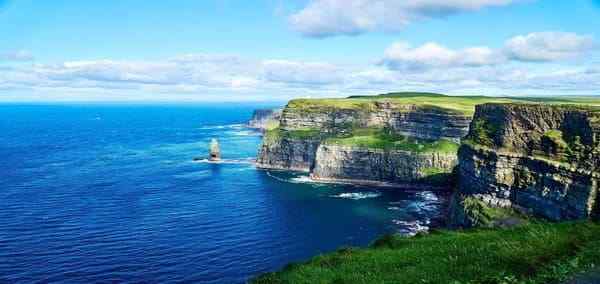


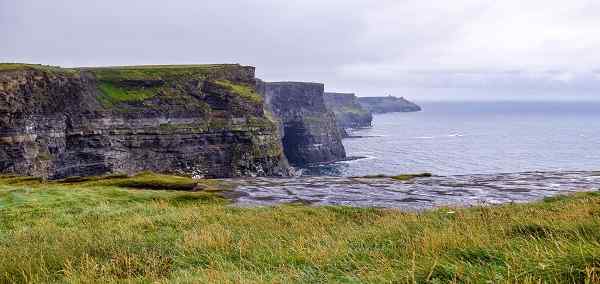





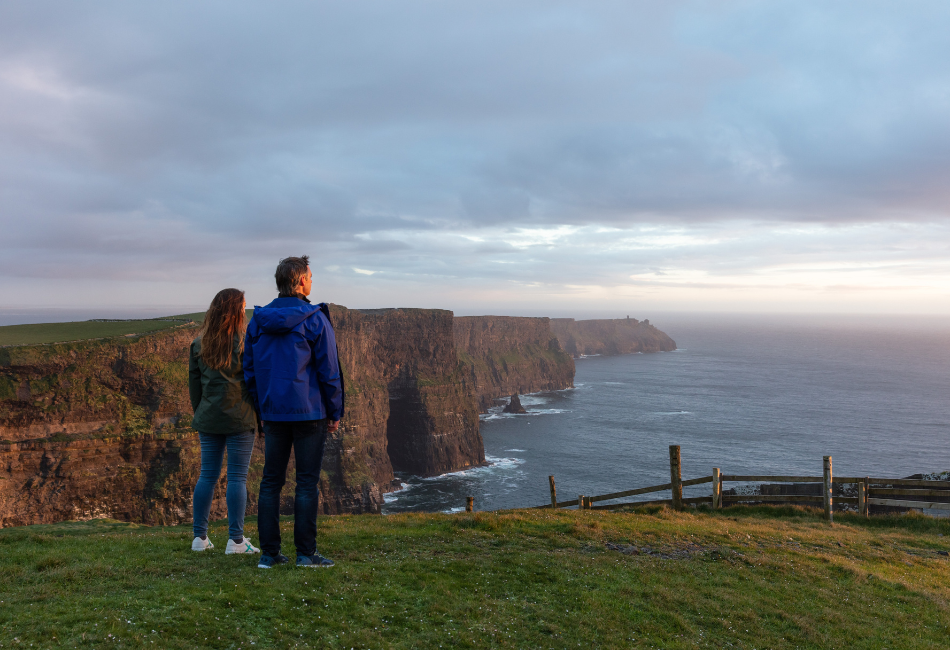
Introduction The Cliffs of Moher, standing proudly on Ireland’s Wild Atlantic Way, are one of the country’s most breathtaking natural wonders. These majestic cliffs stretch for 14 kilometers along the coast of County Clare, rising over 700 feet above the Atlantic Ocean. Whether you’re gazing out at the horizon as the sun sets or feeling
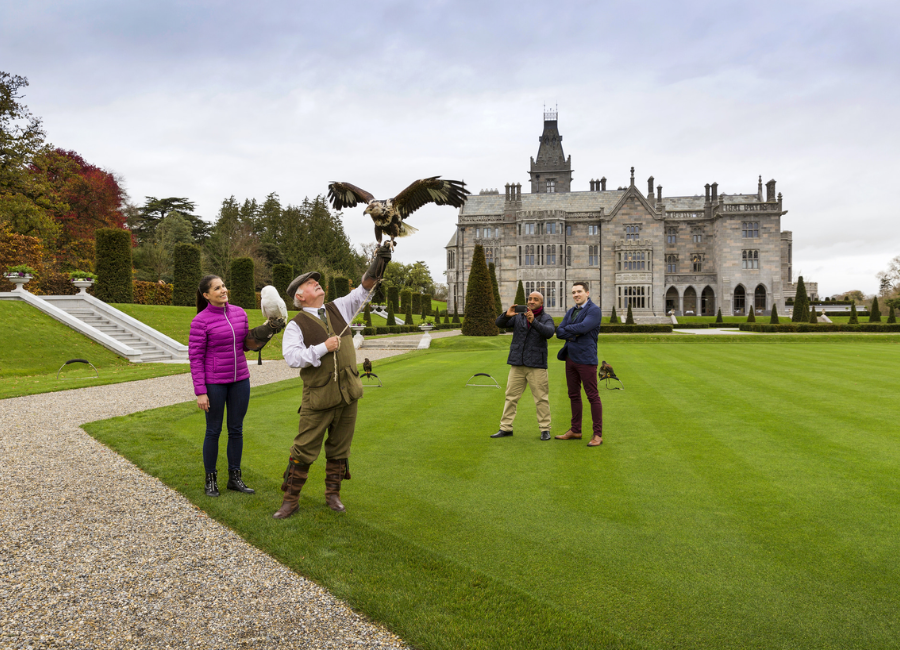
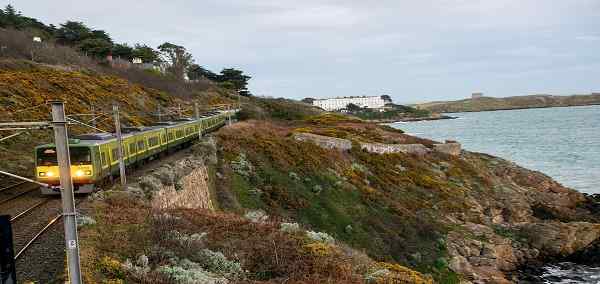
Ireland, often referred to as the Emerald Isle, is known for its lush landscapes, rich history, and vibrant culture. What better way to explore this enchanting country than by embarking on a train tour? Ireland rail vacations offer a unique and comfortable way to experience the country’s diverse landscapes, charming cities, and historic sites. In
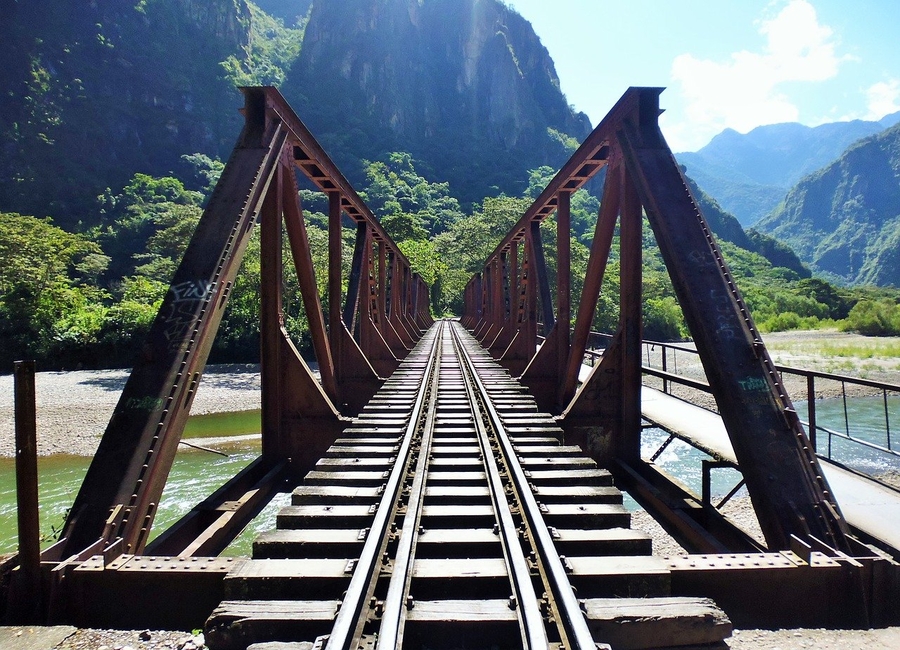
Discover our top picks for the most incredible train journeys around the world!