Toll Free (USA & Canada) +1 866 978 2997

Home to extraordinary riverside palaces, significant Buddhist temples, and the ancient Himalayan Mountains, Bhutan is a magnificent travel destination waiting to be explored. Breathtaking landscapes, cultural museums, and magical valleys await!

Welcome to Bhutan, a land of dramatic Himalayan landscapes, deep-rooted spiritual traditions, and warm, welcoming people. Known as the “Last Shangri-La,” Bhutan offers a rare glimpse into a world untouched by mass tourism and commercialism. This small Buddhist kingdom takes pride in preserving its cultural identity, environmental integrity, and the well-being of its citizens — a philosophy reflected in its unique Gross National Happiness index.
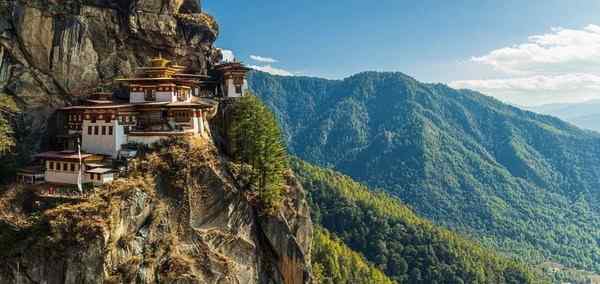
Whether you're hiking up to the iconic Tiger’s Nest Monastery, witnessing the vibrant masked dances during a traditional festival, or enjoying a peaceful moment in a remote mountain village, Bhutan offers unforgettable moments at every turn. With Bhutan tours, travelers can journey into a realm of living history and surreal natural beauty, all while supporting sustainable and responsible tourism.
Planning your adventure? These top places should be on every traveler’s list. From sacred monasteries clinging to cliffs to valleys brimming with natural beauty, here are the must-visit destinations in Bhutan:
Paro – Home to the iconic Tiger’s Nest Monastery and Bhutan’s only international airport, Paro is steeped in history and spirituality.
Thimphu – The capital city blends traditional Bhutanese culture with modern lifestyle, offering museums, markets, and monasteries.
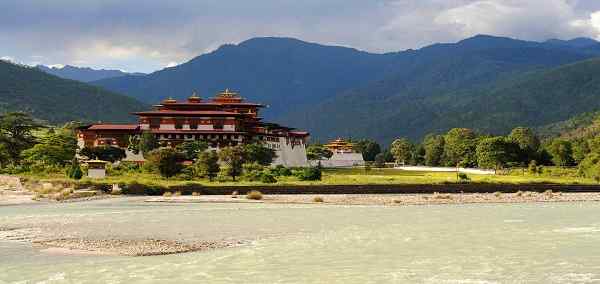
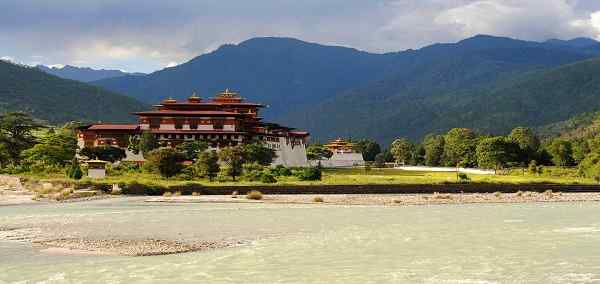
Punakha – Once the capital, this valley boasts the majestic Punakha Dzong and stunning rice terraces.
Phobjikha Valley – A protected habitat for the endangered black-necked cranes and a serene getaway into Bhutan’s wilderness.
Bumthang Valley – Often referred to as the spiritual heartland of Bhutan, this region is dotted with ancient temples and monasteries.
Haa Valley – A hidden gem that offers unspoiled landscapes and a deep connection to Bhutanese customs and rural life. This is one of the highlights of many Bhutan tour packages.
Trongsa – Famous for the massive Trongsa Dzong, this town played a key role in Bhutan’s royal history.
Wangdue Phodrang – Known for its picturesque dzong and diverse flora and fauna.
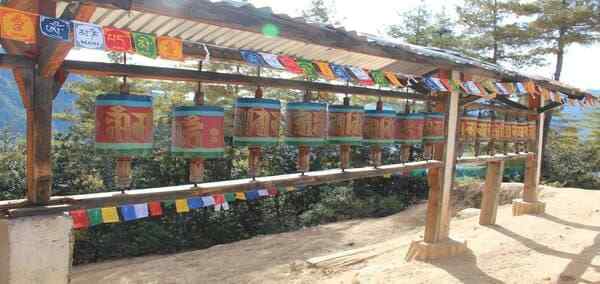
Chele La Pass – One of the highest motorable passes in Bhutan, offering panoramic views of the Himalayas and fluttering prayer flags.
Tang Valley – A lesser-visited corner of Bumthang, offering authentic homestays and cultural immersion.
Gasa – Visit the remote Gasa Dzong and soak in the healing waters of its natural hot springs.
Lhuntse – The ancestral home of Bhutan’s royal family and a hub for traditional weaving.
Trashigang – The largest district in Bhutan, rich in eastern traditions and home to the vibrant Trashigang Tsechu.
Mongar – A gateway to eastern Bhutan, where you can explore stunning dzongs and scenic drives.
Dagana – A peaceful district known for its dense forests, religious sites, and warm hospitality.
Zhemgang – Ideal for nature lovers, this region is one of Bhutan’s best-kept secrets for birdwatching and eco-tourism.
Samdrup Jongkhar – The oldest town in eastern Bhutan and a border entry point, ideal for overland journeys.
Chhukha – Visit the Chhukha Hydro Power Plant and explore this economically significant region.
Pemagatshel – A remote district known for traditional music and sacred religious festivals.
Tashichho Dzong – Though part of Thimphu, this fortress-monastery deserves a special mention for its architectural grandeur and political significance.
Bhutan is a year-round destination, but the best time to visit largely depends on what kind of experience you're seeking.
Spring (March to May): This is one of the most popular seasons to visit Bhutan. The weather is pleasant, skies are clear, and the valleys burst into bloom with rhododendrons and wildflowers. Ideal for trekking and sightseeing.
Autumn (September to November): Another prime travel season. The air is crisp, views of the Himalayas are at their clearest, and several important festivals (like Thimphu and Paro Tsechus) take place during this time. A perfect season for culture lovers and photographers.
Winter (December to February): Best for travelers looking for a quiet, off-the-beaten-path experience. While higher altitudes get chilly, the skies remain clear, and you can enjoy unobstructed mountain views and birdwatching in the Phobjikha Valley.
Summer (June to August): The monsoon season brings lush greenery and fewer tourists. While some trekking routes may be muddy or closed due to rain, this is a good time for cultural exploration at a relaxed pace and for travelers seeking solitude.
For most visitors, spring and autumn offer the best overall experience in terms of weather, festivals, and access to Bhutan’s scenic outdoors.



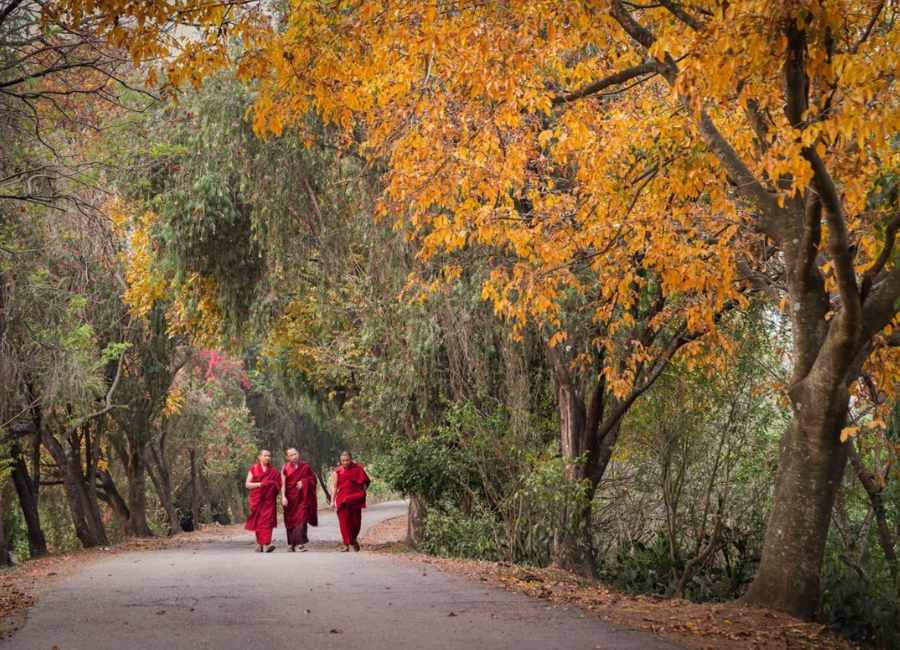
Discovering vibrant villages, experiencing tranquility in monasteries, and delving into the rich history of dzongs (fortress-monastery)—Bhutan offers a plethora of captivating experiences. Travelers are drawn to this country for its stunning landscapes, ancient monasteries, lively festivals, and the warm hospitality of the Bhutanese people. Are you prepared for an extraordinary journey filled with remarkable experiences
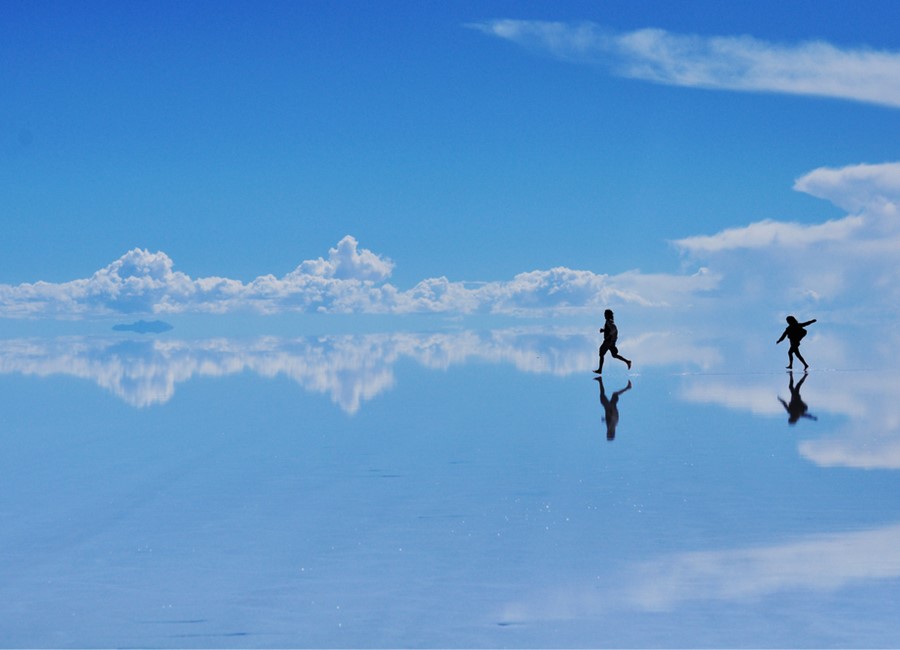
You might have heard a thing or two about these famous places... But did you know these fascinating facts?
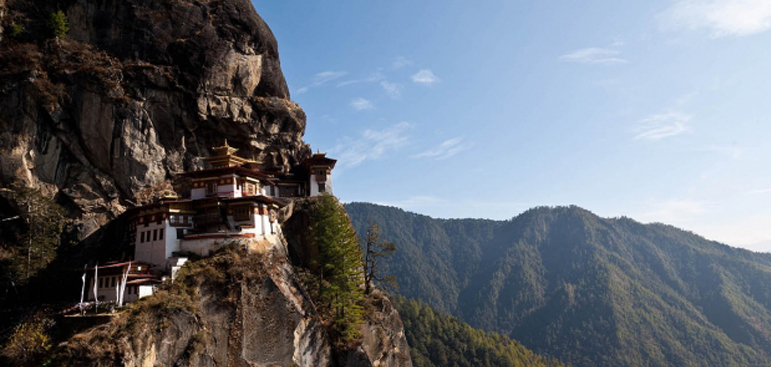
Discover the best time to travel to Bhutan so you can start planning the perfect trip!