Toll Free (USA & Canada) +1 866 978 2997

Between colorful landscapes and world-famous attractions, Bolivia is full of beauty waiting to be explored. Taste the extraordinary diversity this breathtaking country has to offer as you explore the largest salt flat on Earth or discover the world's highest capital!

A land of extraordinary contrasts and untouched beauty, Bolivia is one of South America’s most diverse and captivating destinations. From the mirror-like salt flats of Uyuni to the dense Amazonian jungles, soaring Andean peaks, and colorful colonial cities, Bolivia offers a truly immersive travel experience for nature lovers, adventurers, and culture seekers alike.
A Bolivia vacation promises both the thrill of the unexpected and the serenity of timeless landscapes. It’s where tradition meets raw natural wonder, where ancient cultures still flourish, and every journey becomes an exploration of altitude, color, and culture.
Bolivia’s geography spans everything from Andean peaks and highland cities to rainforest lowlands and lunar landscapes. Here are the most stunning and must-visit destinations to include in your Bolivian adventure:
La Paz
The world’s highest capital city, La Paz, offers a fascinating blend of colonial charm, indigenous culture, and spectacular views from the Mi Teleférico cable cars.
Salar de Uyuni
The largest salt flat on Earth, surreal, mirror-like, and absolutely unmissable. Visit during the rainy season for a glassy sky-reflection effect or during dry months to explore its polygonal salt crust and cactus-studded islands.
Sucre
Bolivia’s constitutional capital and a UNESCO World Heritage Site, Sucre is famed for its whitewashed buildings, colonial architecture, and rich cultural history.
Potosí
Once the richest city in the world during the Spanish silver boom, Potosí is home to dramatic mountain landscapes, historic mines, and haunting colonial remnants.
Lake Titicaca
The world’s highest navigable lake, shared with Peru, is a spiritual and cultural hotspot. Don’t miss Isla del Sol, believed to be the birthplace of the Inca civilization.
Santa Cruz de la Sierra
A modern, tropical city and gateway to Bolivia’s Amazon basin, offering lush parks, wildlife reserves, and a completely different side of the country.
Madidi National Park
Located in the Amazon basin, this biodiverse wonderland is one of the best things to do in Bolivia for nature lovers, with jaguars, monkeys, and over 1,000 bird species.
Copacabana
A quaint lakeside town on Lake Titicaca known for its scenic views, charming streets, and as a starting point for boat trips to nearby islands.
Tarija
Bolivia’s wine country! A peaceful city surrounded by vineyards, Tarija offers tastings of unique high-altitude wines and a relaxed atmosphere.
Oruro
Best known for the Oruro Carnival, one of South America’s most vibrant cultural festivals, featuring elaborate costumes, folklore dances, and a deep spiritual essence.
Rurrenabaque
A popular jump-off point for jungle and pampas tours in the Bolivian Amazon, great for wildlife spotting, river expeditions, and community visits.
Tupiza
Surrounded by dramatic red rock formations, this southern town feels like Bolivia’s Wild West and is a favorite among horseback riding and hiking enthusiasts.
Yungas Road (Death Road)
Not for the faint-hearted, this infamous biking route descends from the Andes into the jungle and is one of the most adventurous day trips in Bolivia.
Coroico
A laid-back town in the subtropical Yungas region, known for coffee plantations, waterfalls, and a refreshing escape from high-altitude chill.
Samaipata
A serene town with archaeological ruins (El Fuerte de Samaipata), lush valleys, and a growing reputation as a cultural and culinary escape.
Toro Toro National Park
Bolivia’s answer to Jurassic Park — full of dinosaur footprints, deep canyons, caverns, and fossil fields, perfect for geology and nature lovers.
El Alto
A rapidly growing city above La Paz known for its vibrant street markets and as a stronghold of indigenous Aymara culture and modern urban energy.
Valle de la Luna (Moon Valley)
A surreal eroded landscape just outside La Paz, featuring deep canyons and bizarre rock formations that resemble the surface of the moon.
Uyuni Train Graveyard
Just outside the town of Uyuni, this eerie collection of abandoned steam locomotives offers an atmospheric start to a salt flat tour.
Jesuit Missions of Chiquitos
A lesser-known UNESCO site, this region is home to beautifully preserved 18th-century Jesuit churches, blending European and indigenous styles in a stunning tropical setting.
The perfect time to travel to Bolivia depends on the experiences you’re seeking, as the country’s climate varies widely by region and altitude. However, most travelers find the dry season to be the most comfortable and rewarding time to explore.
Dry Season (May to October):
This is the most popular time to visit Bolivia. The weather is generally sunny with clear skies, making it ideal for trekking, sightseeing, and exploring the highlands, salt flats, and cities. Temperatures are cooler, especially in La Paz and Uyuni, but there’s minimal rain, which improves road conditions and visibility.
Ideal for:
Visiting Salar de Uyuni (especially for sharp, dry, geometric salt patterns)
Trekking in the Andes
Exploring Lake Titicaca
Cultural festivals like Gran Poder in La Paz (June)
Rainy Season (November to March):
Rainfall is heavier in tropical and lowland regions, including the Amazon basin. However, this is the season when the Uyuni Salt Flats transform into a giant mirror, creating the iconic reflective landscape, a photographer’s dream.
Ideal for:
Experiencing the mirror effect at Salar de Uyuni (Jan–March)
Exploring lush Amazon rainforests
Attending vibrant local carnivals (e.g., Oruro Carnival in February)
Shoulder Months (April & November):
Transitional months with fewer crowds and moderate weather. A great time for a more peaceful visit, especially if you're looking to avoid both extreme cold and peak tourist seasons.

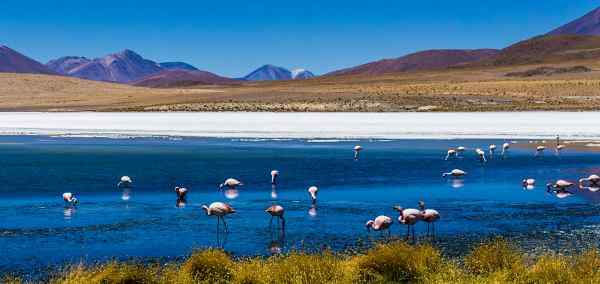




Around the world, certain roads have gained notoriety for their extreme danger and challenging conditions. One such infamous route is the Death Road in Bolivia. Known locally as “El Camino de la Muerte,” this treacherous road stretches over 60 kilometers (37 miles) from La Paz to Coroico. Carved into the mountainside, the Death Road is
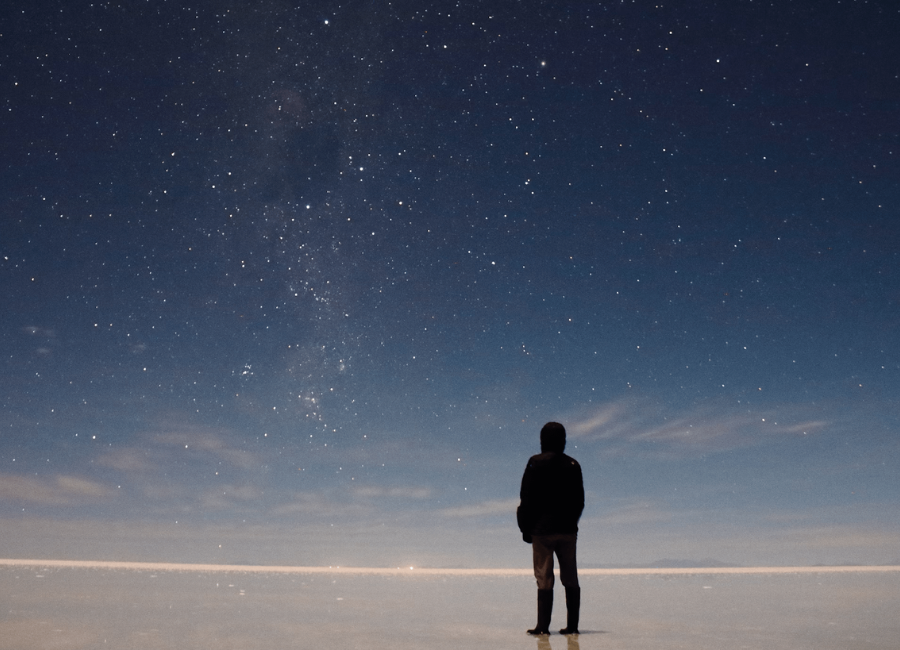
Introduction: Salar de Uyuni or the Salt Plains of Bolivia, renowned as the world’s largest salt flat, casts a spellbinding aura that beckons adventurers, nature enthusiasts, and photographers alike. Encompassing an expansive 10,000 square kilometers, this sea of salt unveils a surreal landscape that appears to extend limitlessly into the horizon. With the burgeoning tourism
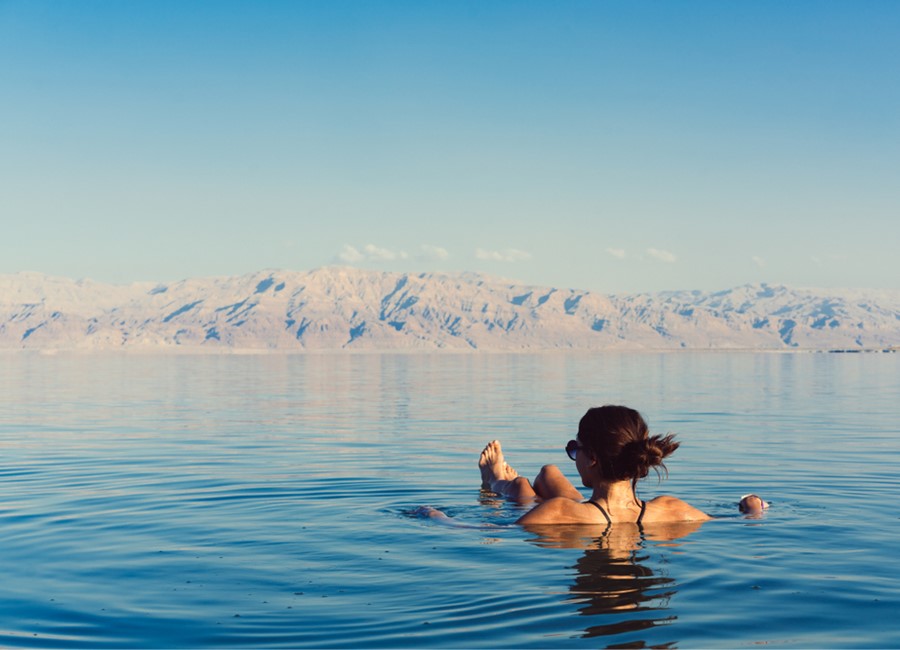
Are you ready to switch up the daily pace of life and head on a truly fascinating journey? Check out these once-in-a-lifetime experiences with Indus Travels!