Toll Free (USA & Canada) +1 866 978 2997

Nestled in the heart of West Africa, Benin is a captivating destination that offers a rich blend of history, culture, and natural beauty. Bordered by Togo to the west, Nigeria to the east, and Burkina Faso and Niger to the north, this small yet vibrant country stretches from the Gulf of Guinea in the south to the Sahelian plains in the north. Known as the birthplace of the powerful Dahomey Kingdom and the cradle of Vodun (voodoo) culture, Benin boasts a heritage that is both fascinating and profound. From pristine beaches and bustling markets to ancient palaces and wildlife reserves, Benin is a treasure trove waiting to be discovered.

A Journey Through History
Benin’s history is deeply intertwined with the rise of the Kingdom of Dahomey in the 17th century, a powerful West African empire renowned for its military prowess, cultural achievements, and intricate governance system. The Dahomey Amazons, an all-female military regiment, are a testament to the kingdom’s unique historical narrative. During the transatlantic slave trade, Benin’s coastal towns, particularly Ouidah, became central to this dark chapter, earning the area the name “The Slave Coast.” Today, monuments like the Door of No Return and the Slave Route in Ouidah stand as poignant reminders of this era.
Following colonization by France in the late 19th century, Benin gained independence in 1960. Modern-day Benin reflects a blend of its pre-colonial, colonial, and post-independence heritage, creating a vibrant and dynamic cultural landscape.
Cultural Richness
Benin is a cultural melting pot, home to over 40 ethnic groups, including the Fon, Yoruba, Bariba, and Dendi. This diversity is celebrated through music, dance, art, and religious practices. Vodun, often misunderstood in the West, is a central aspect of Benin’s cultural identity. Vodun rituals, festivals, and temples offer an authentic glimpse into this spiritual tradition that emphasizes harmony between the physical and metaphysical worlds.
Key cultural landmarks include the Royal Palaces of Abomey, a UNESCO World Heritage site, which showcase the grandeur of the Dahomey Kingdom. Visitors can explore the intricately designed walls, artifacts, and oral histories that bring this era to life.
Natural Beauty
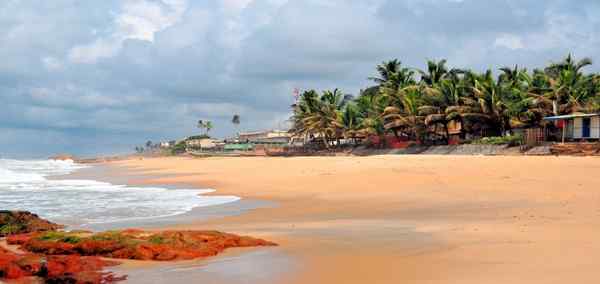
Benin’s landscapes range from golden beaches and lush wetlands in the south to savannahs and semi-arid regions in the north. Lake Nokoué, located near Cotonou, is famous for its stilt villages like Ganvié, often referred to as the “Venice of Africa.” This floating village offers visitors a unique experience of life on water, where houses, markets, and schools rest on stilts.
The Pendjari National Park, part of the larger W-Arly-Pendjari (WAP) Complex, is a UNESCO World Heritage site and one of West Africa’s premier wildlife reserves. The park is home to elephants, lions, cheetahs, hippos, and a rich variety of bird species, making it a must-visit for nature and safari enthusiasts.
Historical and Spiritual Landmarks
Culinary Delights
Beninese cuisine is a celebration of local ingredients and flavors, offering a mix of hearty, spicy, and savory dishes. Staples include maize, millet, cassava, and yam. Popular dishes to try include:
Festivals and Celebrations
Benin’s vibrant festivals offer an opportunity to immerse yourself in the country’s rich traditions. The annual Vodun Festival in Ouidah is a colorful celebration of Benin’s spiritual heritage, featuring rituals, dances, and ceremonies. The Gelede Festival, recognized by UNESCO, showcases elaborate masks and performances that honor the roles of women in society. National Independence Day, celebrated on August 1st, is another major event marked by parades, music, and community gatherings.
Travel Tips
Hospitality and Accommodation
Benin’s hospitality industry caters to a wide range of travelers. In cities like Cotonou, Porto-Novo, and Ouidah, you’ll find a mix of luxury hotels, boutique lodges, and budget-friendly guesthouses. Eco-lodges and community-based accommodations in rural areas offer unique experiences for those seeking a deeper connection with nature and local traditions.

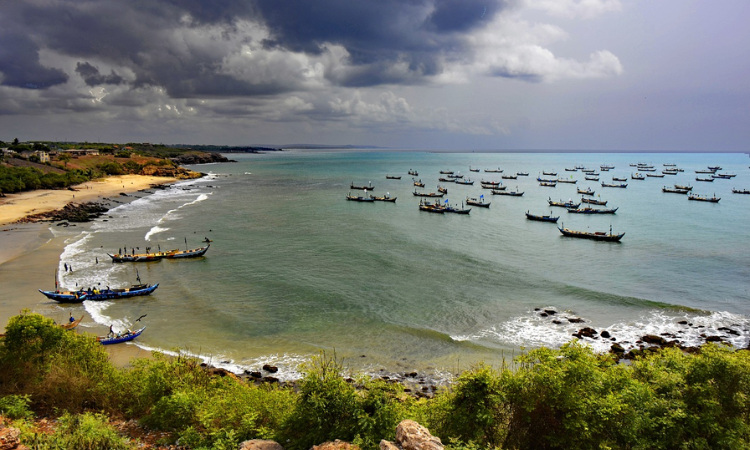
West Africa is a treasure trove of rich history, diverse cultures, and breathtaking landscapes, and the countries of Ghana, Togo, and Benin form an unmissable trio for travelers seeking an unforgettable experience. From the bustling markets of Accra to the sacred forests of Togo and the stilt villages of Benin, this region offers a kaleidoscope